
Understanding the psychological triggers behind gambling behavior in casinos
The Allure of Risk and Reward
The excitement of taking risks plays a pivotal role in gambling behavior. The possibility of winning, no matter how slim the odds, creates a compelling lure for many individuals. This psychological phenomenon is tied to the human brain’s reward system, which releases dopamine, a neurotransmitter associated with pleasure and satisfaction, whenever a person anticipates a reward. This release creates a feeling of euphoria, compelling players to continue gambling in hopes of experiencing that rush again. For instance, many people may explore options like non gamstop casinos to enhance their experience.
Moreover, the unpredictability of gambling outcomes adds to this allure. The intermittent reinforcement schedule, where wins are sporadic and unpredictable, keeps players engaged. Each time a player pulls a lever or rolls a dice, they are met with a rush of adrenaline, making it hard to resist the urge to play “just one more time.” This combination of risk and the potential for reward forms a powerful psychological driver behind gambling behavior.
Illusion of Control
Many gamblers exhibit a cognitive bias known as the illusion of control, where they believe they can influence outcomes in games of chance. This belief is particularly evident in activities such as poker or sports betting, where skill can seemingly play a role in winning. Players may think they can predict outcomes or develop strategies that can sway results in their favor. This misconception fuels a false sense of confidence, encouraging them to engage more deeply in gambling activities.
This psychological trigger is compounded by personal anecdotes of victory or success stories shared among peers. Such narratives foster an environment where players feel empowered, leading them to underestimate the inherent randomness of gambling. This dangerous mindset can lead to repeated play and an increased likelihood of problem gambling behaviors, as the individual continues to chase perceived control over outcomes.
Social Influences and Peer Pressure
Social contexts significantly impact gambling behavior, as friends and social circles can create a conducive environment for gambling. When individuals are surrounded by others who gamble, the social norms and behaviors within that circle often dictate their actions. Peer pressure can manifest in various forms, ranging from direct encouragement to subtle social cues, reinforcing the idea that gambling is an acceptable pastime.
Additionally, the social interaction that comes with gambling—whether in a casino or an online platform—adds another layer of appeal. Shared experiences, camaraderie, and the thrill of winning together can amplify the desire to participate in gambling. This social component can sometimes overshadow the negative consequences, making it easier for individuals to justify their behavior despite potential risks.
The Role of Marketing and Environmental Design
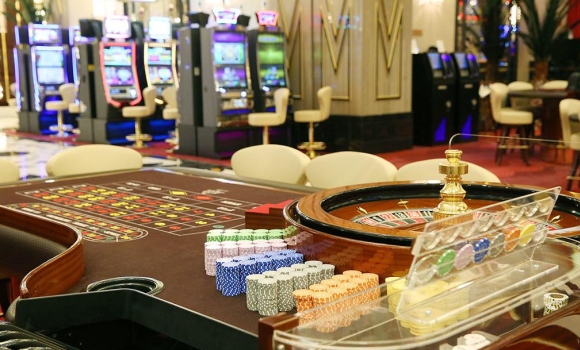
Casino design and marketing strategies are meticulously crafted to enhance gambling behavior. Bright lights, enticing sounds, and luxurious décor create an immersive environment that attracts players and encourages them to stay longer. This sensory stimulation can trigger excitement and foster a sense of urgency, prompting impulsive betting decisions that keep players engaged.
Moreover, marketing tactics, such as promotions, bonuses, and loyalty programs, entice players to return frequently. These strategies are psychologically driven to create a sense of value and reward, leading to increased gambling activity. The atmosphere is designed to minimize distractions from time and money spent, reinforcing the behavior of continuous play, often at the expense of financial well-being.
Website’s Role in Understanding Gambling Behavior
The exploration of psychological triggers in gambling behavior can be enhanced through informative platforms that offer insights and support. Such websites provide essential resources for individuals looking to understand their gambling habits and the psychological factors at play. They can offer educational material that demystifies the psychology of gambling, helping players recognize patterns in their behavior.
Additionally, these sites can serve as safe spaces for those seeking help or guidance regarding gambling addiction. By accessing information about responsible gambling and recognizing the signs of problematic behavior, individuals can take proactive steps towards healthier engagement with gambling activities. This holistic approach ultimately aims to foster a safer gambling environment, promoting well-being and responsible play.