As difficult a challenge as boredom can present to overcome for anyone of any age, the answer lies in confronting and moving through and beyond the causes of boredom. Anyone experiencing significant levels of boredom needs to ask themselves what challenging (and likely unpleasant) experience they are attempting to avoid. Drugs or alcohol can appear to take away the pain of emotional, mental, or physical challenges. Boredom is often simply a state of awareness that shows up just prior to the surfacing of difficult, painful thoughts and feelings we have pushed away from our conscious awareness. Swapping our routines and habits that are damaging you for ones that can strengthen your body and soul will give you a really clear reason why you want to stop drinking out of boredom.
The Illusion of Relief: Alcohol as a False Cure for Emptiness
I founded The Sober School to show you there’s another way out of your shame that doesn’t involve AA or rehab. Most of us would choose to invest the time and care to decorate and fill that house with intention. And when the void creeps in, drinking becomes the easiest distraction.
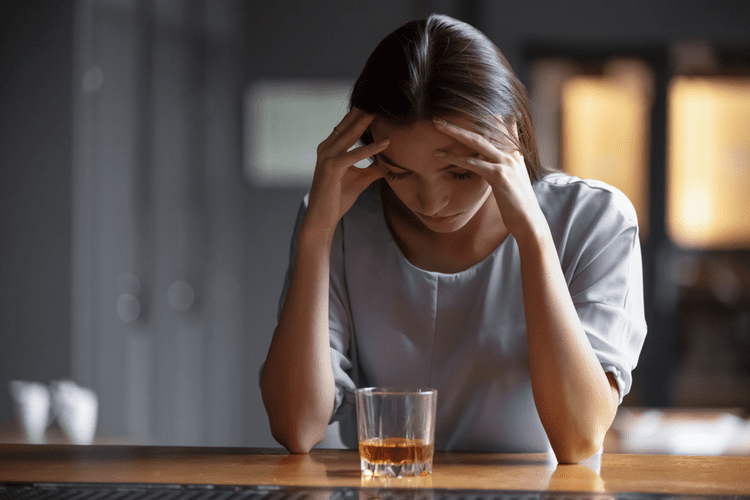
Practice mindful drinking.
In the midst of these stimuli that keep us busy, engaged, and upbeat about our lives, it can be easy to assume that life of its own accord is here to entertain us. But in reality, we’re filling the space with distraction, not meaning. And that keeps us from searching for what actually brings us real satisfaction. Suddenly, the urge to find a distraction—any distraction—rushes in. We instinctively reach for the smartphone, the remote…and, for many high-functioning drinkers, the bottle.
Mindfulness and Meditation
Repeatedly drinking in this way can lead to a condition known as alcohol use drunk and bored disorder (AUD), which is characterized by an inability to control alcohol consumption despite negative consequences. The more often someone drinks to cope with boredom, the more likely they are to develop an unhealthy reliance on alcohol. Life can sometimes feel repetitive, and many people find themselves with idle time.
This could include changing your daily routine, developing new hobbies, or getting involved with sober activities. If this is the situation for you, then it might be time to reach out amphetamine addiction treatment for professional help and get additional support in your recovery. When you first stop drinking, it’s normal to experience what is known as serotonin and dopamine depletion.

- Outside of work, he divides his time between family, basketball, and rock climbing.
- It often arises when in a space that is empty of activity, engagement, or purpose.
- That leaves us with the other 60–70% of boredom—the kind that sticks around even after we’ve quit drinking, and can lead to relapse if we don’t know how to handle it.
- By becoming more involved in your community, you can effectively replace boredom drinking with meaningful connections and activities that improve your overall mental health and well-being.
- When boredom leads to drinking, people often reach for a drink without realizing the long-term consequences.
Stress, anxiety, and loneliness can all be potential triggers for boredom drinking. People may turn to alcohol as a way to cope with these negative emotions, but in doing so, they may be putting their mental health at risk. Many scientific studies have proved a positive relationship between boredom/loneliness and excessive alcohol use. If you’re ready to break free from this habit and reclaim control of your life, the Stop https://ecosoberhouse.com/ Drinking Expert is here to help. With resources, articles, and support, you can learn how to live a healthier, more fulfilling life without alcohol.

For many, the lure of alcohol is not just about the taste or the buzz—it’s about escaping uncomfortable emotions. Boredom is one such emotion, and it can be surprisingly challenging. When the mind is left unstimulated, it craves something to engage with. Alcohol offers a quick and easy solution, seemingly transforming a dull moment into something a bit more lively.
By developing self-awareness and reflecting on your emotions and thought patterns, you can uncover the triggers for boredom drinking and take proactive steps to address them. Additionally, because alcohol can impair judgment and lower inhibitions, people who drink out of boredom may make unhealthy lifestyle choices, such as overeating or skipping exercise. This can contribute to weight gain, poor nutrition, and a decline in overall physical well-being. If you’re already dealing with weight or health issues, drinking to alleviate boredom will only exacerbate these problems. For more information on how alcohol affects physical health, see this article.