
Tracing the historical evolution of casinos From ancient games to modern palaces
The Origins of Gambling
The concept of gambling can be traced back to ancient civilizations, where rudimentary games of chance were played using basic tools. Archaeological findings reveal that as early as 3000 BC, the Chinese were playing with dice made from animal bones. Similarly, ancient Egyptians engaged in games that involved betting online, indicating that the allure of risk and reward has been a part of human culture for millennia.
As societies evolved, so did their games. The Romans, for instance, popularized gambling through various forms of entertainment, such as chariot races and gladiatorial contests. These activities were often accompanied by betting, indicating that the idea of wagering on outcomes was firmly established in ancient cultures.
The Birth of Formal Casinos
The first recognizable casinos as we know them today began to emerge in the 17th century in Italy. The Ridotto, established in Venice in 1638, was one of the earliest venues where patrons could gamble in a controlled environment. This marked a significant shift from informal gambling to organized establishments, where rules were set and games were regulated.
As gambling gained popularity, similar venues opened across Europe, particularly in France, which became synonymous with luxury and gaming. The Casino de Spa in Belgium, established in the 18th century, further paved the way for the modern casino by introducing various card games and gaming tables.
The Golden Age of Casinos
The 19th century was a transformative period for casinos, particularly with the rise of the Monte Carlo casino in Monaco, which epitomized glamour and sophistication. With its opulent architecture and elegant clientele, Monte Carlo drew in aristocrats and wealthy tourists from around the globe, solidifying its status as a premier gambling destination.
This era also saw the introduction of the roulette wheel and modern card games, further enhancing the gaming experience. The establishment of Las Vegas in the early 20th century marked a new chapter, as it became the epicenter of casino culture in the United States, combining entertainment and gaming like never before.
Modern Casinos and Technology
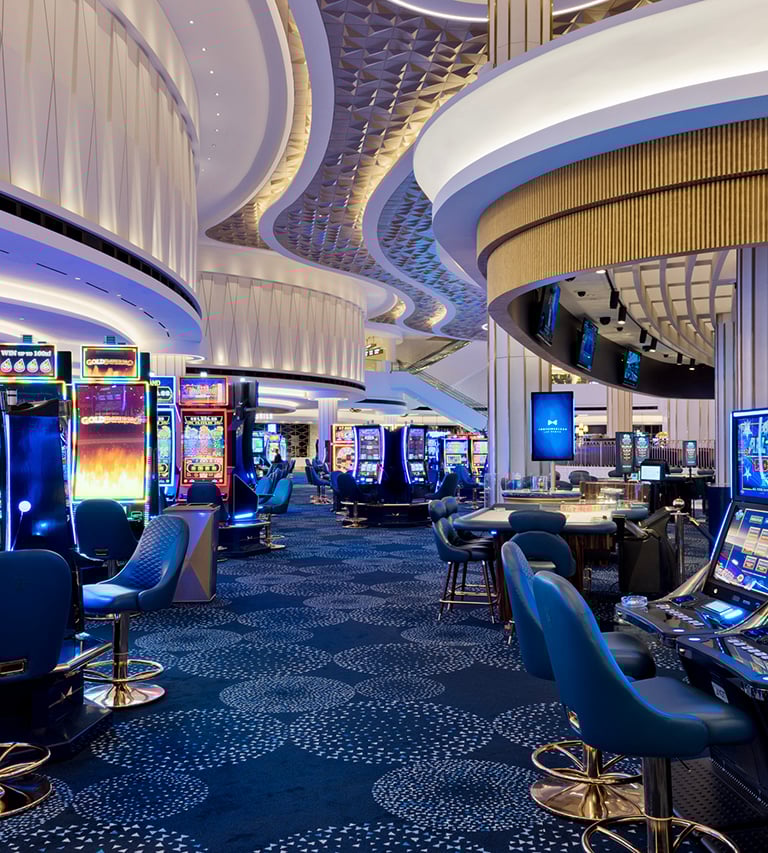
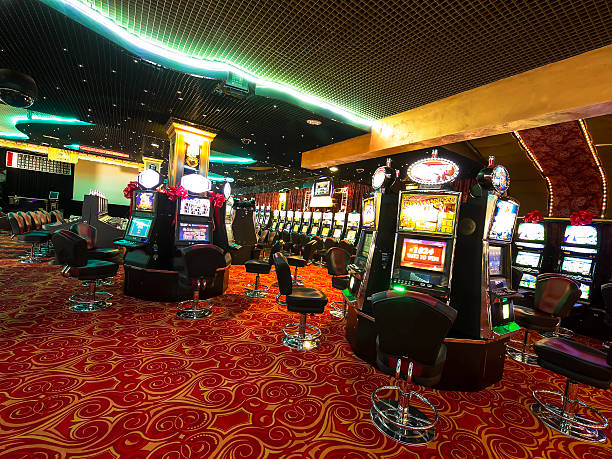
Today’s casinos are a far cry from their ancient counterparts. The advent of technology has revolutionized the gambling experience, with electronic gaming machines and online platforms making gambling more accessible than ever. Modern casinos are designed as multifaceted entertainment complexes, offering not just gaming but dining, shopping, and live performances.
The rise of online casinos has further transformed the landscape, allowing players to engage in their favorite games from the comfort of their homes. This shift has led to significant changes in regulations and security measures to ensure fair play and protect players’ information.
Ensuring Security and Integrity Online
The evolution of casinos brings with it the necessity of safeguarding the player experience. Online platforms must ensure that users are real individuals and not automated bots, which could compromise security and fairness. Services dedicated to verifying user authenticity have become essential in maintaining the integrity of online gambling.
By implementing robust verification processes, these services help create a safer online environment, allowing players to enjoy their gaming experience without the fear of fraud or unauthorized access. As casinos continue to adapt to the digital age, ensuring user security will remain a top priority.